Shifts in Public Betting Percentages Following Unexpected Roster Announcements in Professional Ice Hockey
Written by Ellis Simon · Jul 27, 2026
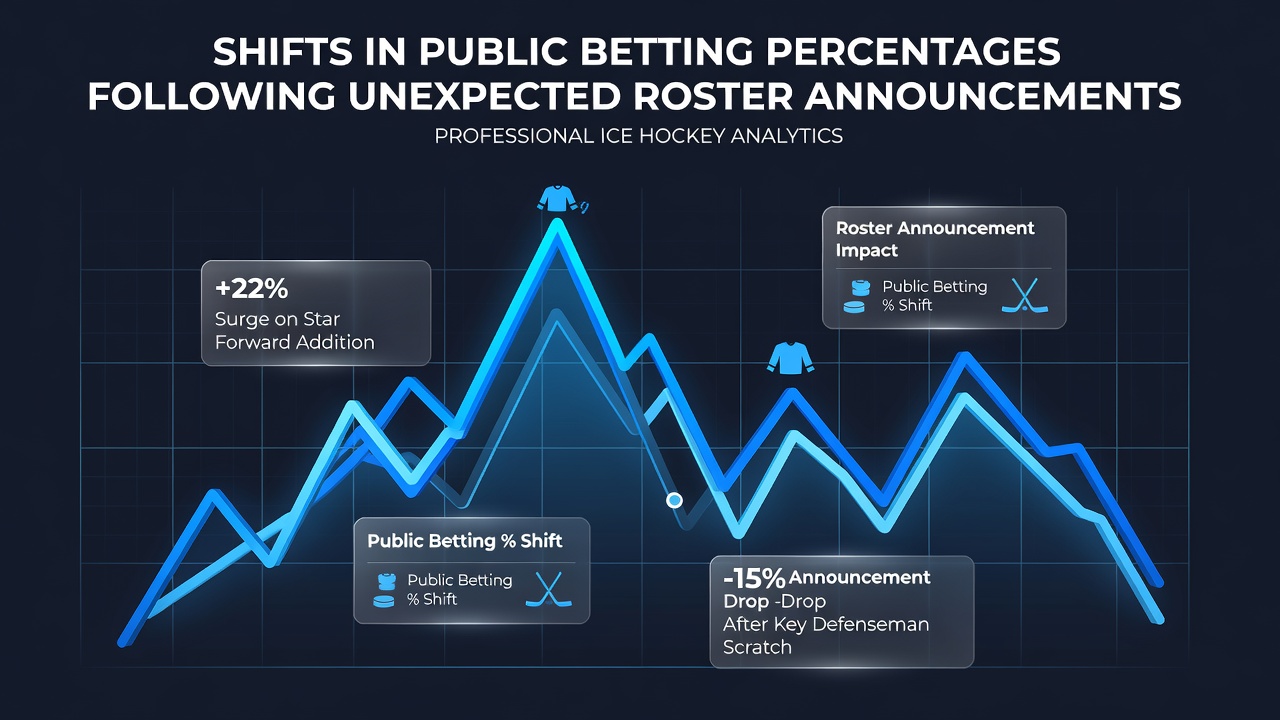
Shifts in Public Betting Percentages Following Unexpected Roster Announcements in Professional Ice Hockey
Professional ice hockey sees roster announcements reshape betting markets when teams reveal last-minute changes that catch the public off guard, and data from recent seasons shows measurable swings in public betting percentages as bettors adjust to new lineups. The National Hockey League operates on a schedule where free agency periods, particularly around early July, generate these announcements, and July 2026 produced several high-profile moves that altered public money flows across major sportsbooks.
How Roster Changes Influence Betting Lines
Teams announce trades, signings, and injuries through official channels, yet the speed of information dissemination creates windows where sharp bettors and the public react differently. Research from sports analytics groups indicates that goalie announcements produce the largest immediate shifts because netminders directly affect totals and puck line outcomes. When a starting goaltender sits out unexpectedly, public betting percentages on the over move upward within hours as casual bettors pile onto higher-scoring expectations.
Forward line adjustments also register notable changes, especially when star players join new teams or return from injury. Observers note that defensive pairings affect betting on team totals less dramatically but still produce measurable adjustments in puck line markets. The reality is that bookmakers adjust odds quickly, yet public percentages lag behind until media coverage spreads the news further.
Patterns Observed in Recent NHL Seasons
Studies tracking betting data reveal consistent patterns where unexpected roster news drives 15 to 25 percent swings in public money allocation within the first 24 hours. Figures from industry reports show that home underdogs receive increased support when their top scorer returns, while road favorites lose public backing after losing a key defenseman. These movements occur across both pregame and live betting markets, though live percentages adjust faster once games begin.
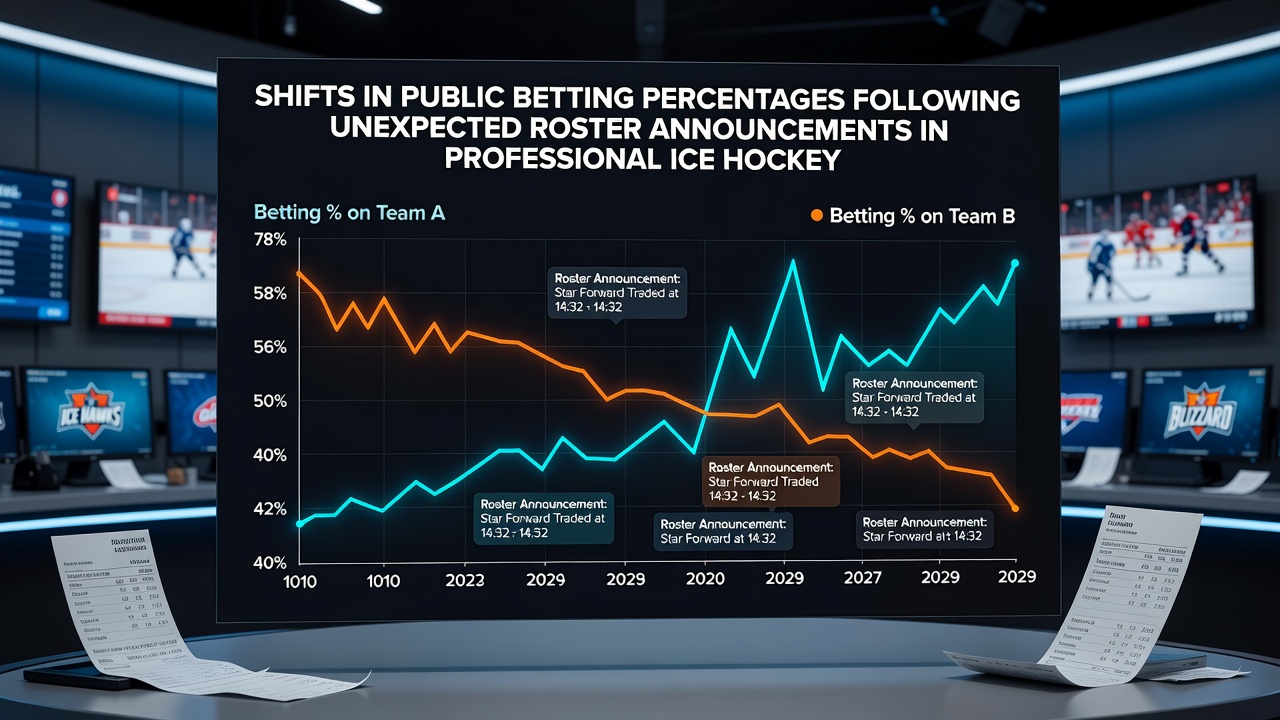
One study revealed that announcements made during the July free agency window create longer-lasting effects because bettors have more time to incorporate new information into future wagers. Data indicates that teams acquiring proven scorers see their season win totals attract heavier public interest, whereas injury announcements to key players suppress betting volume on futures markets until replacement options clarify.
Regional and Market Variations
Betting markets in Canada and the northern United States display stronger reactions to roster news because hockey receives greater local media attention there. According to figures compiled by the American Gaming Association, states with established sportsbooks recorded higher percentage shifts after 2026 announcements involving Canadian teams. European markets, by contrast, show smaller movements since fewer bettors follow day-to-day NHL roster details.
Those who've examined betting databases find that public percentages move more dramatically in totals markets than in moneyline markets after roster changes, and this holds true across both regular season and playoff betting. Researchers discovered that the type of announcement matters as well, with trades generating quicker reactions than injury reports because trades often involve multiple players and future considerations.
Data Tracking and Industry Response
Bookmakers monitor public betting percentages through internal systems that flag unusual activity following major announcements, and this monitoring helps them balance action across both sides. Evidence suggests that sharp bettors often take the opposite side of public shifts in the hours after roster news breaks, creating opportunities for balanced books. Academic papers from Canadian universities have examined these dynamics using anonymized betting data to map how information spreads through different bettor segments.
Industry organizations track these patterns to refine risk management models, and reports from research institutions highlight that July announcements produce some of the largest single-day percentage changes because they affect multiple future games simultaneously. The ball remains in the bookmakers' court when it comes to adjusting limits and odds in response to these flows.
Conclusion
Roster announcements continue to drive measurable changes in public betting percentages across professional ice hockey markets, with goalie and star player news producing the most pronounced effects. Data from multiple seasons demonstrates that these shifts vary by market type, region, and announcement category, while bookmakers respond through rapid line adjustments. Observers tracking 2026 activity noted sustained interest in how July moves influenced futures betting throughout the following season.