How Elevation Changes Quietly Reshape Endurance and Scoring Trends in Elevated Soccer Fixtures
Written by Eden Washington · May 21, 2026
How Elevation Changes Quietly Reshape Endurance and Scoring Trends in Elevated Soccer Fixtures
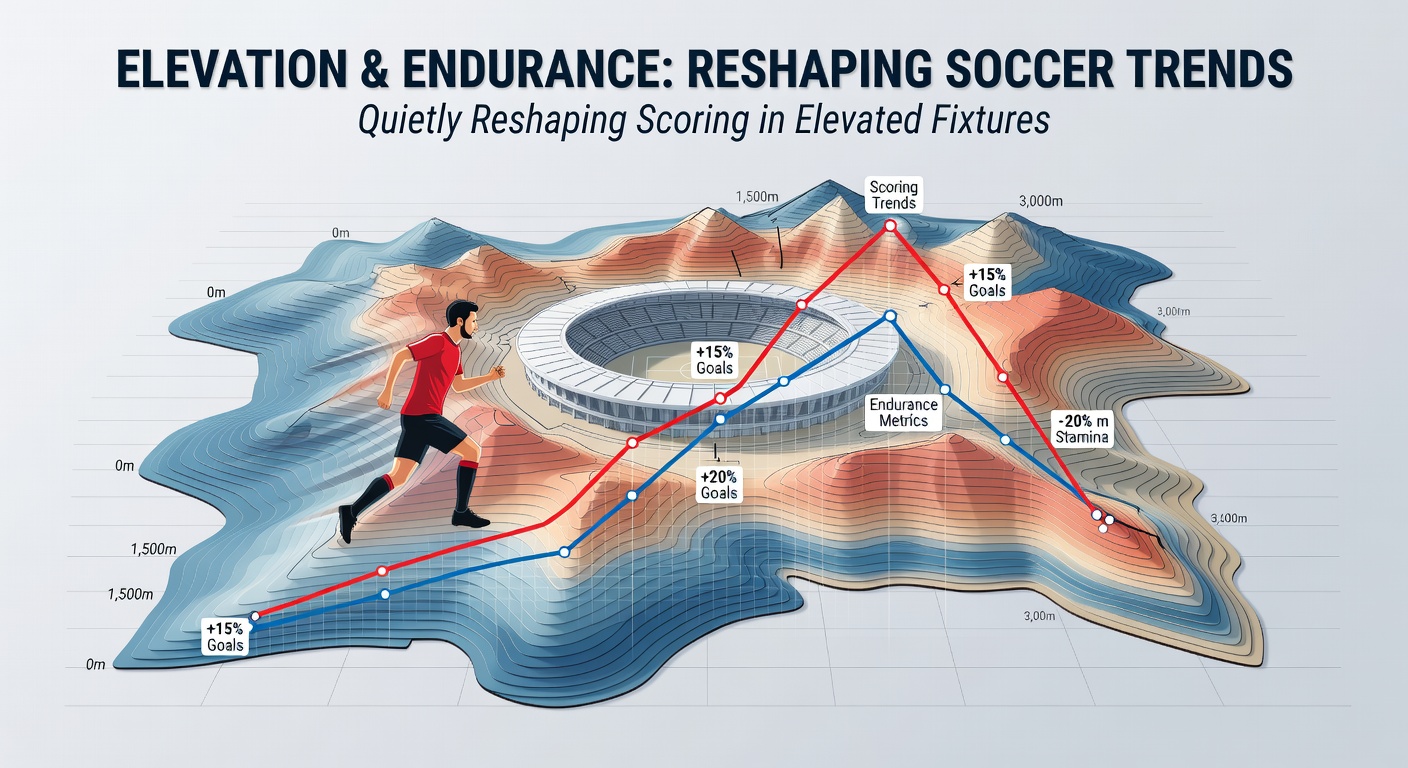
Stadiums perched thousands of meters above sea level create unique conditions that alter how matches unfold, and observers note these shifts appear most clearly in player stamina and goal patterns. Data from South American competitions reveals that fixtures at elevations exceeding 2,500 meters consistently produce different statistical profiles compared to sea-level encounters, with teams covering fewer high-intensity distances over the full ninety minutes.
Physiological Effects at Altitude
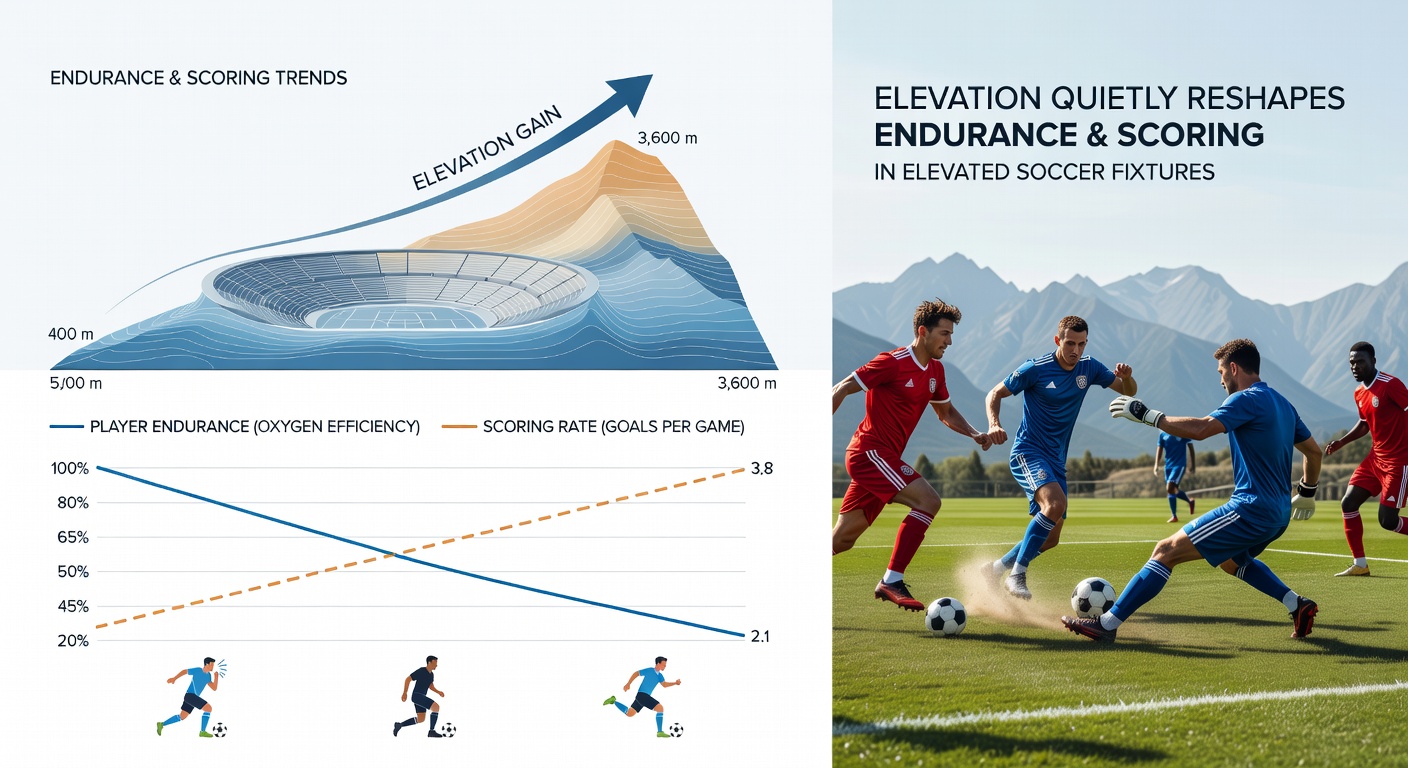
Reduced oxygen availability forces the body to work harder during aerobic efforts, and researchers from sports science institutions have documented drops in VO2 max levels that range between 7 and 15 percent depending on the exact height. Players experience quicker onset of fatigue because hemoglobin saturation decreases, which limits sustained running speeds after the initial twenty minutes of play. Studies conducted in the Andes region show heart rates remain elevated throughout contests, yet overall distance covered declines by an average of 8 percent when compared to matches at lower altitudes.
Ball flight characteristics also change because thinner air reduces drag, allowing longer passes and shots that travel farther than expected. This aerodynamic shift influences set-piece strategies, and teams that prepare for these conditions often adjust their crossing angles accordingly. What's interesting is how these factors combine quietly over the course of a season rather than producing dramatic single-game anomalies.
Scoring Trends Across Seasons
Match data compiled from CONMEBOL events indicates that average goals per game rise modestly at high-altitude venues, often reaching 3.1 compared to 2.7 at lower elevations. Late surges appear more frequently because visiting sides struggle to maintain defensive shape once fatigue sets in after the sixty-minute mark. One analysis of fixtures in Quito and La Paz between 2023 and 2025 highlighted that 42 percent of total goals arrived after the seventy-fifth minute, a figure that exceeds the global average for similar leagues.
Yet adaptation plays a measurable role, and squads based permanently above 2,000 meters demonstrate smaller performance drops. Home teams in these locations maintain possession percentages closer to their seasonal norms, while away sides see pass completion rates dip by up to 6 percent. Figures from the 2025 Bolivian Primera División season underscore this pattern, with clubs from La Paz recording higher points-per-game averages in domestic play than when traveling to coastal opponents.
Preparation Approaches Observed in 2026
Coaches have incorporated altitude-specific training camps that begin several days before scheduled matches, and these sessions focus on repeated sprint intervals combined with breathing exercises. During May 2026 qualifiers for upcoming international tournaments, several national federations scheduled pre-match acclimatization periods of at least five days at intermediate elevations to reduce the initial shock. Such protocols appear in official preparation reports released by participating confederations.
Monitoring technology now tracks real-time oxygen saturation levels during warm-ups, giving medical staff clearer indicators of when substitutions might become necessary. Teams that deploy these tools report fewer instances of players requiring extended recovery periods after returning to lower elevations. The reality is that these quiet adjustments accumulate across multiple fixtures rather than delivering immediate visible results in any single outing.
Regional Variations and Data Patterns
Venues across Mexico, Bolivia, and Ecuador present distinct profiles because each location features slightly different atmospheric pressures and humidity levels. Research published through the International Journal of Sports Physiology and Performance examined over 300 matches and found that scoring spikes correlate most strongly with elevations between 2,800 and 3,600 meters. Below that threshold the differences become less pronounced, and above it the effects intensify noticeably for visiting players without prior exposure.
European clubs participating in intercontinental tournaments have begun consulting specialized consultants who model expected fatigue curves based on historical GPS data from similar environments. These models help predict substitution timing and tactical shifts that maintain intensity longer into the second half. Observers note that such preparations have narrowed some performance gaps in recent seasons, although complete equalization remains elusive.
Conclusion
Elevation continues to influence endurance demands and goal timing in measurable ways across elevated soccer fixtures, and ongoing data collection from both domestic leagues and international events provides clearer pictures each year. Teams that account for these variables through structured acclimatization and tactical flexibility show improved consistency when competing at height. The patterns remain consistent enough that analysts incorporate altitude metrics into broader performance evaluations without treating them as isolated anomalies.