Examining Hydration Protocol Adherence and Its Correlation with Error Rates in Extended Athletic Contests
Written by Sam Zimmermann · Jun 29, 2026

Examining Hydration Protocol Adherence and Its Correlation with Error Rates in Extended Athletic Contests
Extended athletic contests such as ultramarathons, Ironman triathlons, and multi-stage cycling events place unique demands on participants, and hydration protocols form a core component of preparation strategies that teams and individuals implement. Data from endurance sports governing bodies shows that athletes who follow structured fluid intake schedules maintain better physiological stability over distances exceeding 42 kilometers, while deviations from those schedules correlate with measurable increases in performance errors including missed cues, coordination lapses, and decision inaccuracies during later stages of competition.
Core Elements of Hydration Protocols in Endurance Events
Standard hydration protocols emphasize pre-event loading, timed intake during activity, and post-exertion replenishment tailored to body weight, sweat rate, and environmental conditions. Researchers at institutions including the American College of Sports Medicine have documented that athletes typically aim for 400 to 800 milliliters of fluid per hour depending on intensity and climate, with sodium and electrolyte additions used to offset losses that exceed plain water replacement. Those who calibrate intake against individual sweat tests demonstrate lower incidence of both dehydration and hyponatremia across multi-hour efforts.
Monitoring tools such as wearable sensors and urine specific gravity checks allow support staff to adjust plans in real time, and several professional teams now integrate these measurements into race-day operations. Evidence indicates that adherence rates above 85 percent link to steadier core temperatures and heart rates, which in turn support consistent neuromuscular function when events stretch beyond four hours.
Measurement of Error Rates in Prolonged Competition
Error rates in this context encompass technical faults, navigational mistakes, and cognitive slips that accumulate as contests extend. Studies tracking participants in 100-kilometer trail runs and 24-hour cycling events record these incidents through video analysis, split-time deviations, and post-event questionnaires. Findings reveal that error frequency rises notably after the three-hour mark, particularly when fluid deficits reach 2 percent or more of body mass.
One study conducted across European and North American events found that athletes reporting inconsistent adherence showed a 27 percent higher rate of mid-race directional errors and a 19 percent increase in equipment handling mistakes compared with those maintaining protocol targets. These patterns held after controlling for training volume and prior experience, pointing to hydration status as an independent variable.
Observed Correlations from Recent Data Sets
Analyses released in June 2026 from longitudinal tracking programs covering Ironman and ultra-running circuits indicate a dose-response relationship between fluid protocol compliance and error incidence. Participants who missed scheduled intake windows by more than 15 minutes exhibited elevated lactate thresholds and reduced reaction times in subsequent testing segments. The same data sets showed that groups using personalized sodium-adjusted beverages maintained lower error counts in the final quarter of races than those relying on generic water stations alone.
Geographic variations appear in the records as well, with events held in higher humidity regions recording faster onset of concentration lapses when protocols were not followed precisely. In contrast, arid-climate competitions displayed stronger ties between total fluid volume and late-stage pacing errors. These patterns emerge consistently across datasets compiled by sports science centers in Australia and Canada.
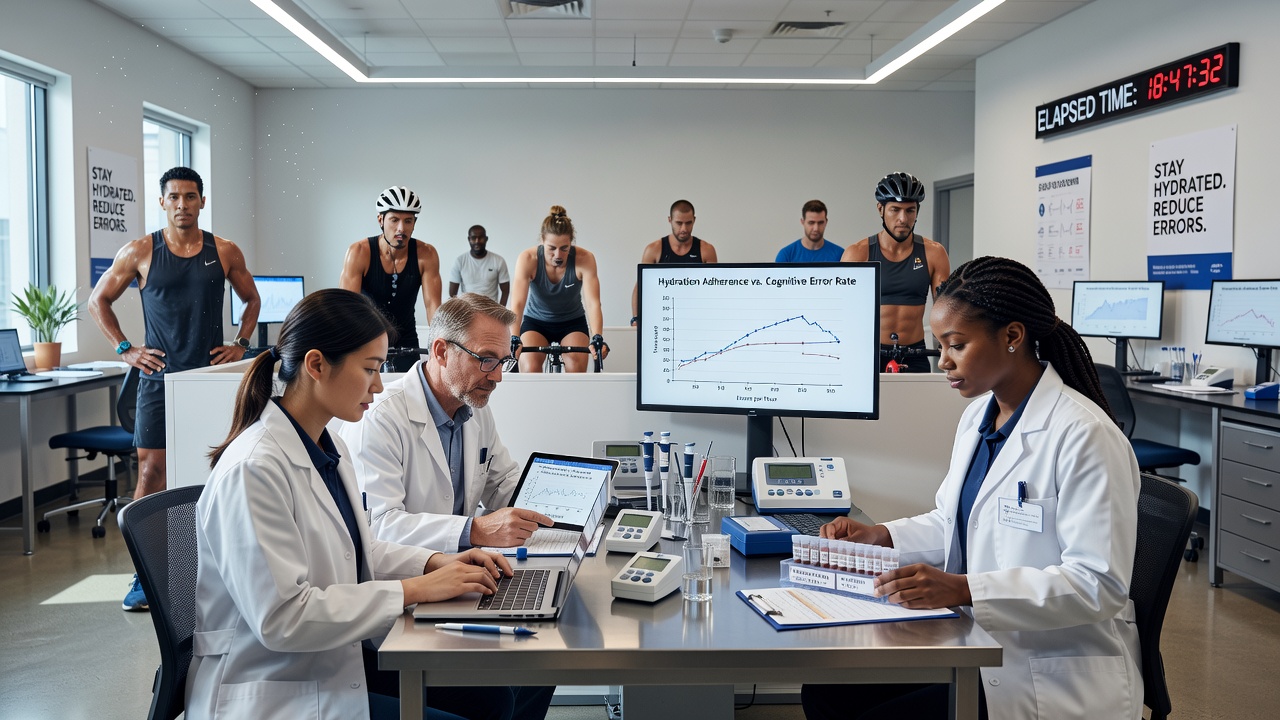
Physiological Mechanisms Linking Hydration and Performance Errors
Dehydration affects cerebral blood flow and thermoregulation, which researchers link directly to declines in executive function required for split-second decisions in technical terrain. When plasma volume drops, oxygen delivery to working muscles decreases while perceived exertion rises, creating conditions where athletes overlook course markers or misjudge effort distribution. Electrolyte imbalances compound these effects by altering nerve conduction and muscle contractility, leading to the coordination breakdowns observed in the later stages of extended contests.
Investigations using cognitive testing batteries administered at aid stations confirm that reaction time slows measurably once body mass loss exceeds 1.5 percent, with further deterioration at 3 percent. Teams that incorporate real-time alerts for fluid deficits report fewer such incidents, suggesting that protocol adherence functions as a modifiable factor rather than an inevitable byproduct of race length.
Implementation Challenges Across Different Event Formats
Multi-stage races introduce additional variables because cumulative fatigue interacts with daily hydration targets, and recovery windows between stages often prove shorter than ideal. Data from the 2025-2026 season of several international series shows that athletes who maintained consistent daily sodium balance across stages recorded fewer cumulative errors than those resetting protocols each morning. Aid station placement and queue times also influence adherence, as delays can push intake outside optimal windows and compound deficits.
Self-supported events place even greater emphasis on individual planning, and records indicate that participants carrying measured fluid supplies adhere more closely than those depending solely on public refill points. These differences translate into observable gaps in error rates between supported and unsupported categories within the same race.
Conclusion
Available evidence establishes a clear association between hydration protocol adherence and reduced error rates in contests lasting multiple hours. Physiological data, field measurements, and multi-year tracking programs converge on the finding that athletes who meet individualized fluid and electrolyte targets experience fewer technical and cognitive lapses during later race phases. Continued refinement of monitoring methods and protocol customization across different climates and formats offers pathways for further alignment between preparation plans and performance consistency in extended athletic settings.