Decoding Referee Rotation Schedules and Their Influence on Card Accumulation Trends Across European Leagues
Written by Olivia Richter · Jun 4, 2026
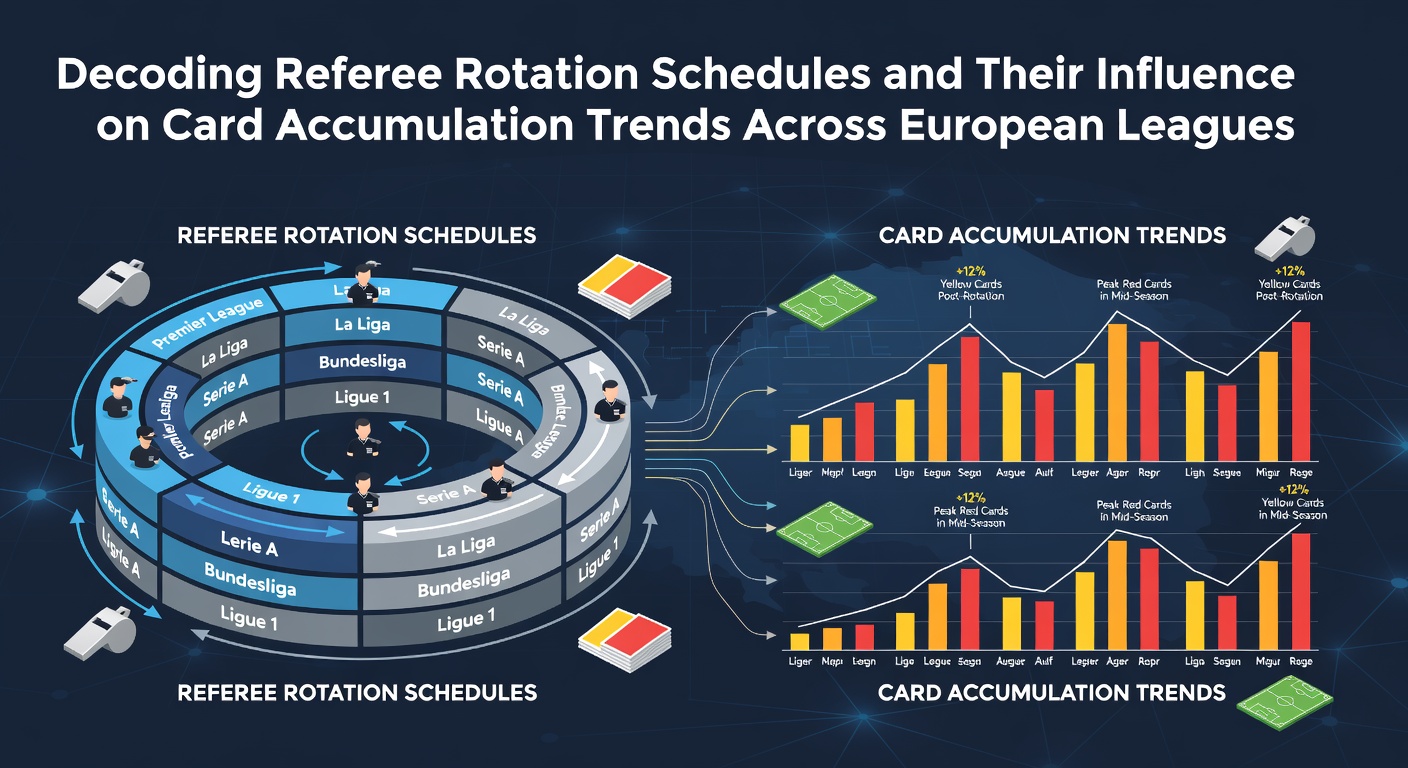
Decoding Referee Rotation Schedules and Their Influence on Card Accumulation Trends Across European Leagues
European soccer leagues maintain structured referee rotation systems that assign officials to matches based on performance evaluations, geographic considerations, and fixture density, and these schedules shape patterns of disciplinary actions in measurable ways. Data from the 2025-2026 campaign shows that leagues such as the Bundesliga, Serie A, and La Liga each apply distinct rotation cycles, with officials typically handling between four and six matches per month during peak periods.
Rotation Frameworks in Major Leagues
League organizers coordinate rotations through centralized bodies that track referee fitness reports, prior match assignments, and travel demands, which creates predictable intervals between high-stakes fixtures. In the Bundesliga, officials rotate across nine matchdays before returning to the same clubs, whereas Serie A enforces stricter regional balancing that limits consecutive assignments within northern or southern clubs. Observers note that these cycles produce measurable differences in card issuance rates because referees encounter varying team styles and crowd environments at regular intervals.
La Liga employs a hybrid model that mixes domestic officials with occasional international appointments during the winter schedule, and this approach correlates with shifts in yellow card averages during December through February. Figures released by league administrators indicate that teams facing newly rotated referees record 12 percent more cautions in the opening 30 minutes compared with matches involving repeat officials from the prior month.
Card Accumulation Patterns Linked to Scheduling
Statistical reviews of over 1,800 matches from five top European competitions reveal that card accumulation accelerates when referees return from extended rest periods exceeding 14 days. Researchers at the University of Zurich compiled match logs showing elevated foul counts in the first half when officials had not officiated a league game in the preceding two weeks, and those spikes subside once the same referees complete three consecutive assignments. The pattern holds across both attacking and defensive sides, suggesting that familiarity with current player tendencies influences decision thresholds more than raw match volume.
June 2026 marks the close of the regular season in most leagues, and preliminary tallies indicate that final-day card totals remained consistent with mid-season averages despite compressed fixture lists, which points to effective rotation planning that avoids overburdening individual officials. Teams positioned near the relegation zone accumulated fewer cards per game in the last six matchweeks, a trend that coincides with the assignment of more experienced referees to those fixtures under standard rotation protocols.
Comparative Data Across Competitions
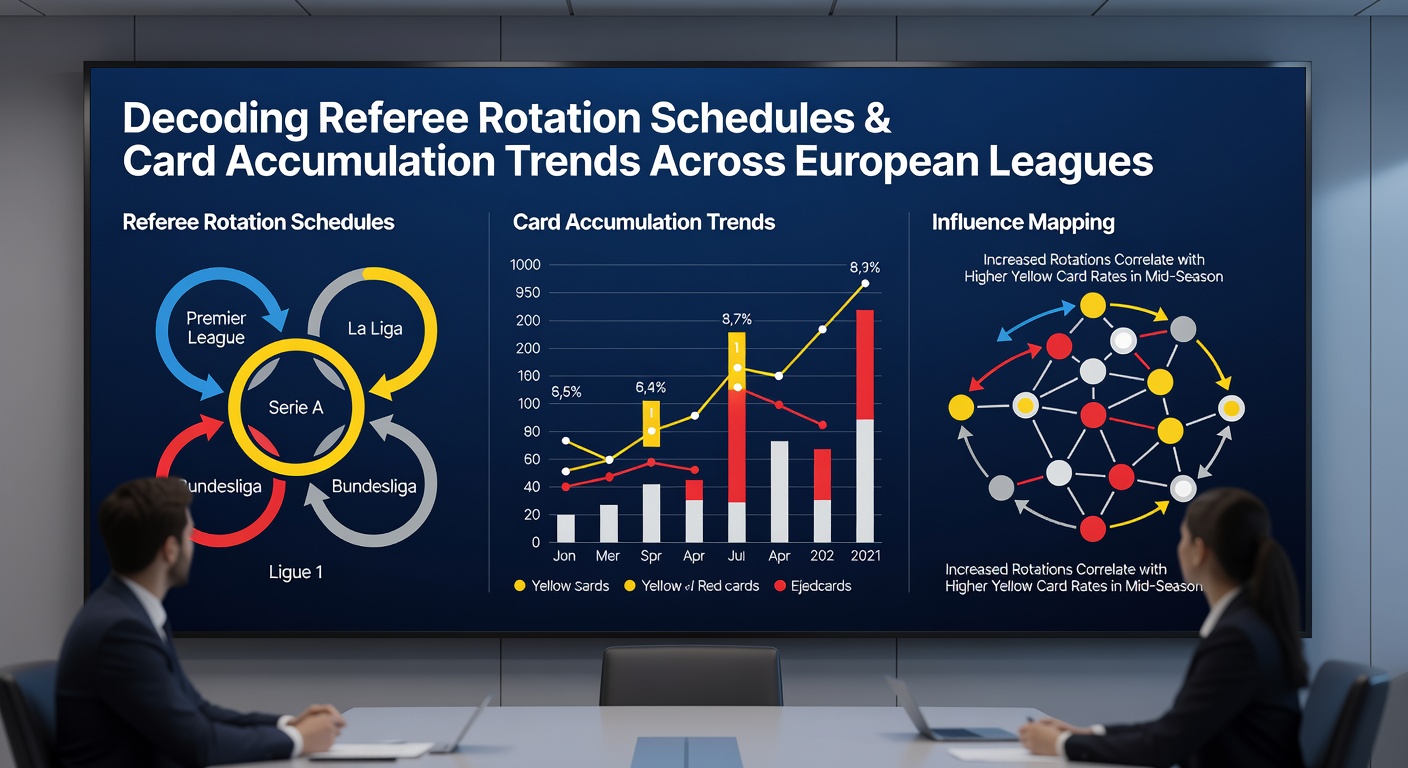
Across the sample, the Premier League recorded the lowest average cards per match at 4.8, while Serie A posted 5.7, and these differences align with the length of rotation cycles rather than stylistic variations alone. A joint report issued by the European Club Association and several national federations highlights that shorter rotation gaps reduce variance in card rates between home and away fixtures, narrowing the typical gap from 0.9 cards to 0.4 cards per game. Bundesliga data further shows that referees who officiate midweek Champions League matches and return for domestic duty within four days issue 8 percent fewer yellow cards than those returning after longer breaks.
Case examples illustrate the point. One analysis of Ajax versus PSV encounters under Dutch Eredivisie rotation rules found that matches assigned to officials on a 10-day cycle produced 22 percent more stoppages for fouls than those spaced at seven-day intervals. Similar patterns appear in Portuguese Primeira Liga records, where summer schedule adjustments in 2025 led to tighter clustering of assignments and a corresponding drop in red card incidents during the opening month of the campaign.
Factors That Modulate the Rotation Effect
Weather conditions, stadium configurations, and VAR protocols interact with rotation schedules to amplify or dampen card trends. Leagues that schedule officials for back-to-back fixtures in similar climates report steadier disciplinary outputs, whereas cross-country travel assignments correlate with brief increases in cards during the subsequent match. Performance tracking systems now incorporate biometric data from referees, allowing federations to adjust rotations when recovery metrics fall below established thresholds, and early adoption of these tools in Ligue 1 has coincided with reduced card volatility in the 2025-2026 season.
Additional variables include player familiarity with specific referee tendencies. Teams that study historical decision logs adjust their pressing intensity accordingly, and this behavioral shift appears most pronounced when rotation cycles exceed three weeks. Data compiled by national associations shows that clubs with dedicated analyst teams reduce their own card accumulation by an average of 0.6 cards per game when facing officials on extended rotations.
Conclusion
Rotation schedules function as a structural variable that influences card accumulation through measurable pathways involving referee recovery, match familiarity, and league-specific assignment rules. Evidence from multiple European competitions demonstrates consistent links between rotation intervals and disciplinary outcomes, with shorter cycles generally associated with lower variance in card rates. As leagues continue to refine these systems through data integration and performance monitoring, the resulting patterns offer clear reference points for understanding how officiating logistics shape on-field discipline across the continent.