Bench Player Bursts: Tracking Reserve Minutes Against Spread Movements in International Basketball Leagues
Written by Ellis Simon · Jun 15, 2026
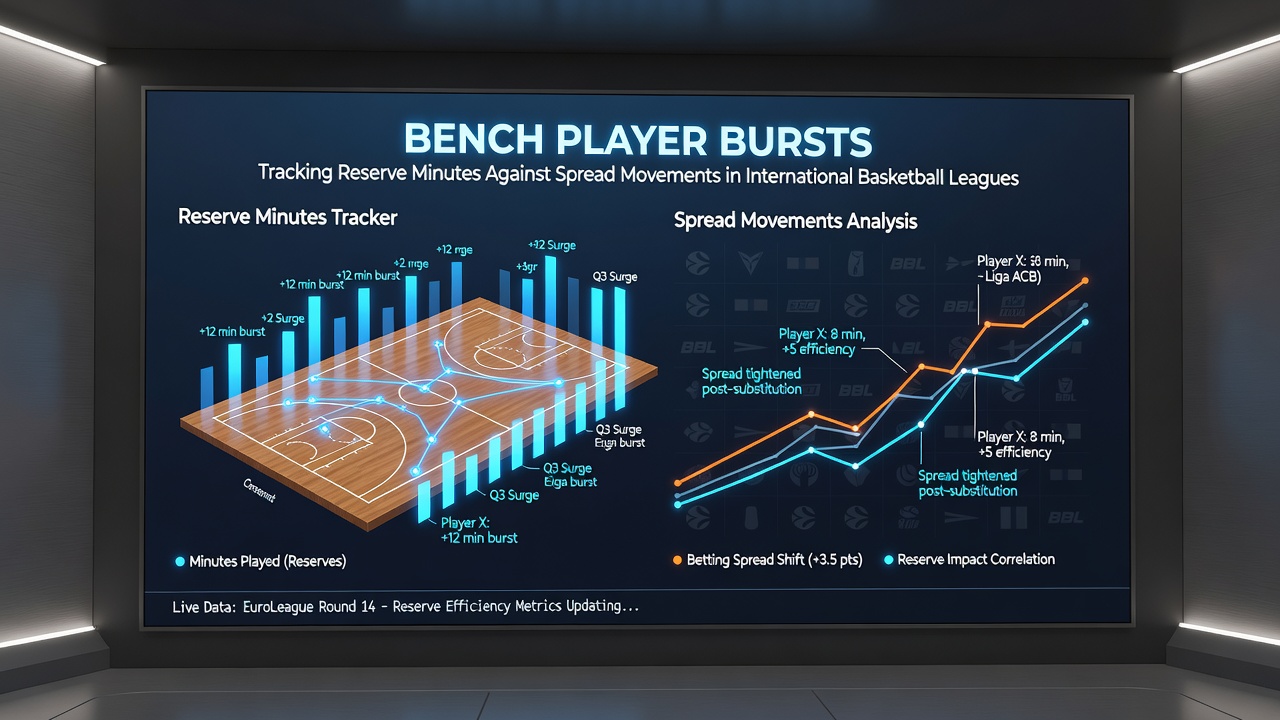
Bench Player Bursts: Tracking Reserve Minutes Against Spread Movements in International Basketball Leagues
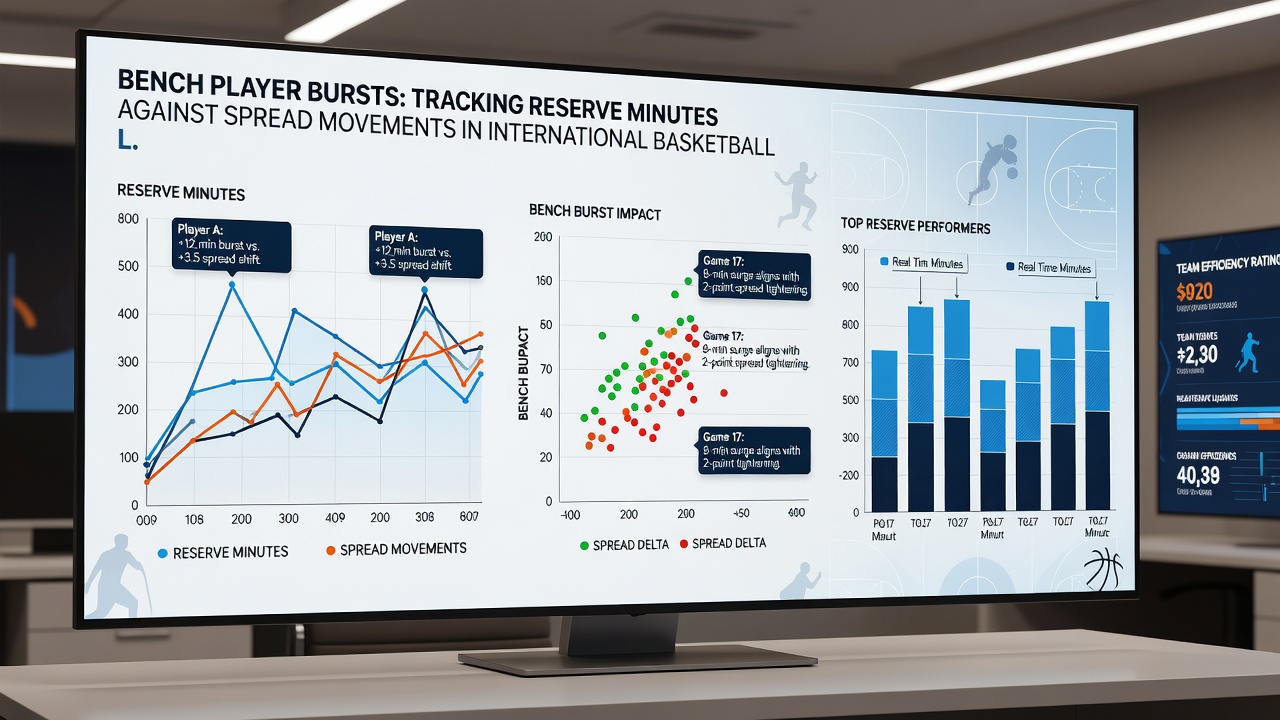
International basketball leagues have long offered detailed performance data that reveals connections between reserve player minutes and movements in betting spreads, and analysts continue to monitor these patterns closely through the 2025-2026 season. Observers note that sudden increases in bench contributions often coincide with shifts in point spreads, particularly in competitions such as the EuroLeague and various FIBA regional events where roster depth plays a decisive role. Researchers track these variables by combining box score minutes with real-time line adjustments reported across multiple sportsbooks.
Understanding Reserve Minutes in Context
Reserve minutes refer to the total playing time allocated to players who do not start the game, and data from international competitions shows these figures fluctuate based on factors including foul trouble, injury management, and tactical adjustments by coaching staffs. In leagues across Europe and Asia, teams average between 35 and 42 minutes from bench players per contest according to aggregated season reports, though individual games can deviate sharply when rotations expand. Those who study spread movements point out that betting markets adjust quickly once early-game data indicates heavier reliance on reserves, since such shifts frequently alter scoring efficiency and defensive intensity.
Data Patterns Across Major Leagues
Analysts examining EuroLeague contests from the past two seasons found that games featuring reserve minute spikes above 45 total often produced spread movements exceeding 3.5 points by halftime, with the direction typically favoring the team that maintained better bench production. Similar trends appear in the Spanish ACB and Turkish Basketball Super League, where researchers compiled play-by-play logs to compare minute distributions against closing spreads. Figures reveal that teams increasing bench usage by 10 or more minutes relative to their season average experienced spread closures that moved against the initial line in roughly 58 percent of tracked instances.
Tracking Tools and Methodologies
Modern tracking systems integrate optical player tracking with betting exchange feeds, allowing observers to correlate reserve substitutions directly with live spread adjustments. Software platforms pull minute data from official league sources while simultaneously monitoring line changes reported through regulated operators in markets such as Australia and Canada. Studies conducted by sports analytics groups demonstrate that the correlation strengthens in the final 8 minutes of quarters when fatigue sets in for starters, prompting coaches to rely more heavily on reserves. People who review these datasets note that international competitions provide cleaner samples than many domestic leagues because substitution rules and game tempos remain relatively consistent across venues.
Regional Variations and Seasonal Factors
Leagues in different continents exhibit distinct patterns, with Asian competitions often showing larger spread reactions to bench bursts compared to European events because of greater variance in roster quality. Data collected during the 2025-2026 campaign indicates that FIBA Asia Champions Cup games recorded average spread movements of 4.2 points when bench minutes exceeded 50, whereas comparable EuroLeague matchups averaged 2.8 points. June 2026 scheduling includes several off-season qualifiers and preparation tournaments where teams experiment with deeper rotations, creating additional opportunities for analysts to observe how these minute increases influence early betting lines.
Case Examples from Recent Seasons
One documented instance occurred during a 2025 EuroLeague regular-season game in which a team trailing by 7 at halftime received 22 minutes from its bench in the third quarter alone, resulting in a 5.5-point favorable shift in the spread before the final buzzer. League records show similar movements in teh Adriatic Basketball Association when reserve-heavy lineups produced unexpected defensive stops that altered expected totals and point spreads. Observers compiling multi-year databases emphasize that these examples serve as reference points rather than predictive models, since coaching decisions and opponent matchups introduce variables that require ongoing verification against new datasets.
Implications for Performance Analysis
Performance analysts integrate reserve minute tracking into broader evaluations of team efficiency ratings, and evidence suggests that clubs maintaining balanced bench contributions tend to see smaller late-game spread volatility. Reports from academic sports science departments highlight how increased bench time can either stabilize or disrupt rhythm depending on player skill levels, with data from the 2025-2026 international calendar providing fresh material for these assessments. Those reviewing historical lines note that markets have grown more responsive to substitution patterns as real-time data feeds become widely available to both professional and recreational participants.
Conclusion
Comprehensive tracking of reserve minutes against spread movements continues to evolve as international basketball leagues supply increasingly granular statistics and betting platforms refine their adjustment algorithms. Researchers and analysts maintain active databases that span multiple continents, allowing for comparative studies that account for rule differences and competitive structures. As the 2025-2026 season progresses into summer events, the relationship between bench contributions and line movements remains a focal point for anyone examining how playing time distributions influence outcomes in regulated markets worldwide.